

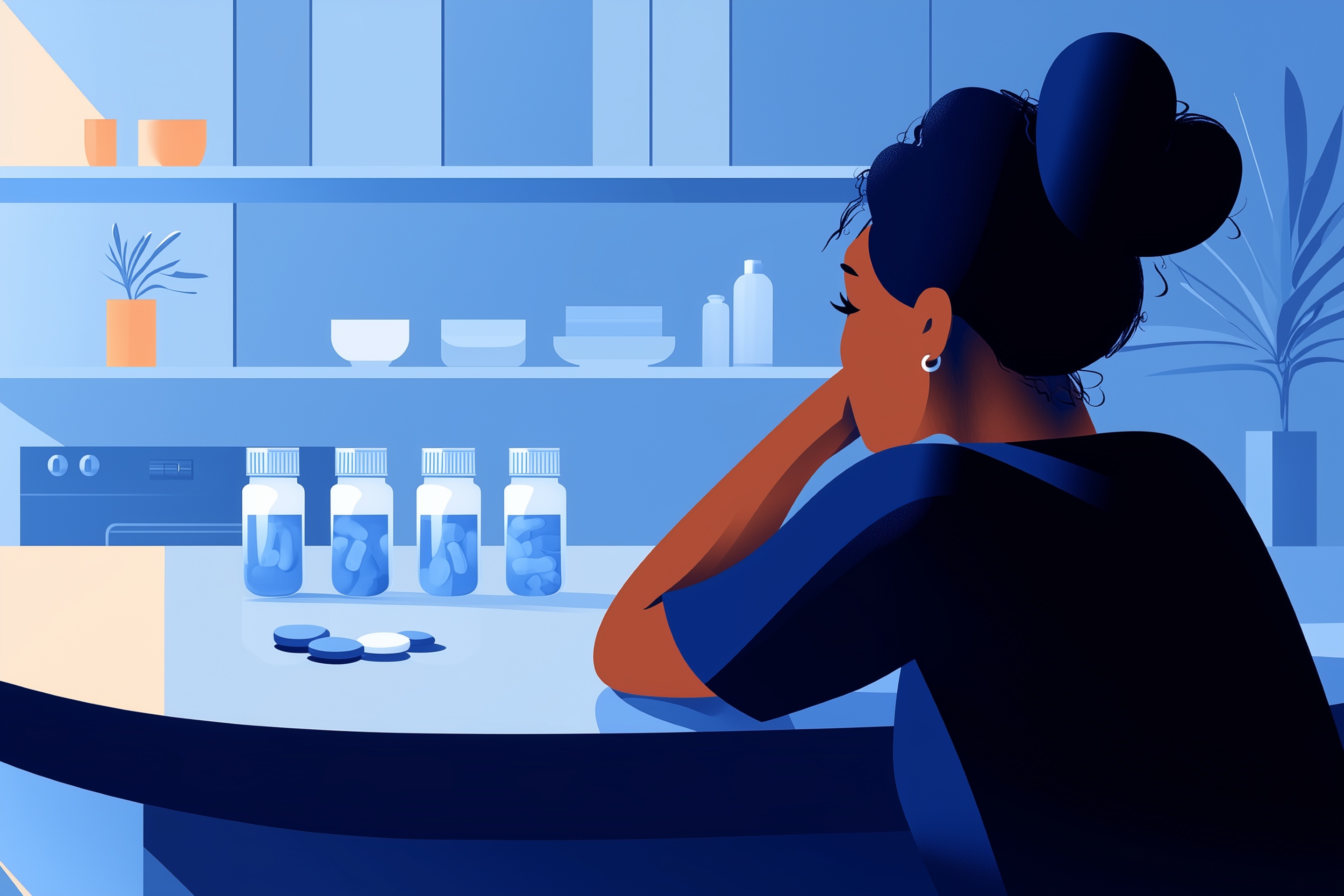
One of the most common conversations I have with patients goes something like this:
“Doctor, I’m feeling much better. I don’t think I need my medication anymore.”
On the surface, that makes perfect sense. If your depression has lifted, your anxiety is under control, or your ADHD symptoms have improved, why continue taking medicine?
The answer is simple.
You may be feeling better because the medication is working.
Stopping treatment simply because you feel well is one of the most common mistakes patients make. Unfortunately, it can also be one of the most costly.
The Medication Didn’t Cure the Illness
Many psychiatric illnesses behave much like high blood pressure or diabetes.
The medication controls the condition. It doesn’t necessarily eliminate the underlying vulnerability.
When someone stops an antidepressant after recovering from depression, there is a significant chance that depression will return. The same is true for anxiety disorders, bipolar disorder, schizophrenia, obsessive-compulsive disorder, and many other psychiatric illnesses.
Some people need medication only for a limited period. Others benefit from treatment lasting years or even a lifetime.
The decision should never be based solely on feeling better.
Relapse Can Be Serious
A depressive relapse is often more than simply “feeling down.”
Patients may lose motivation, withdraw from family and friends, struggle at work, develop insomnia, lose confidence, or even experience suicidal thoughts.
Someone with bipolar disorder who stops medication may develop mania, sometimes resulting in impulsive financial decisions, damaged relationships, or hospitalization.
For patients with schizophrenia or other psychotic disorders, stopping medication may lead to a return of hallucinations or delusions that had been completely controlled.
The consequences can be profound.
Feeling Better Isn’t Proof You No Longer Need Treatment
Imagine wearing eyeglasses.
You can see clearly while wearing them. That doesn’t mean your eyesight has permanently corrected itself.
Psychiatric medications often work the same way. They allow the brain to function more normally while the medication is present.
Feeling well is usually evidence that treatment is succeeding—not that treatment is no longer necessary.
Stopping Too Quickly Can Cause Withdrawal Symptoms
Another important issue is something called discontinuation syndrome.
Many antidepressants, particularly SSRIs and SNRIs, should not be stopped abruptly. Patients may experience:
• Dizziness
• “Brain zaps” or electric shock sensations
• Flu-like symptoms
• Irritability
• Anxiety
• Nausea
• Sleep disturbance
These symptoms are uncomfortable but are usually temporary and can often be prevented by gradually tapering the medication under medical supervision.
Some Medications Can Be Dangerous to Stop Suddenly
Certain psychiatric medications require even greater caution.
For example, abruptly stopping benzodiazepines—medications such as lorazepam (Ativan), clonazepam (Klonopin), or alprazolam (Xanax)—can cause severe withdrawal.
Symptoms may include:
• Severe anxiety
• Tremor
• Elevated blood pressure
• Confusion
• Hallucinations
• Seizures
In some cases, abrupt withdrawal can become a medical emergency.
This is one reason physicians develop individualized tapering schedules rather than simply instructing patients to stop taking the medication.
Every Patient Is Different
One of the most important parts of psychiatric care is determining when treatment can safely be reduced—or whether it should continue.
Some patients who have experienced a single episode of depression may eventually discontinue medication successfully.
Others who have had multiple episodes may significantly reduce their future risk by remaining on maintenance treatment.
The same individualized thinking applies to anxiety disorders, bipolar disorder, ADHD, and other psychiatric conditions.
There is no single rule that fits everyone.
There Is Growing Public Discussion About Psychiatric Medications
You may hear public figures, social media personalities, or well-meaning friends encourage people to stop psychiatric medications.
While thoughtful discussion about medications is healthy, broad recommendations that everyone should discontinue treatment ignore an important reality:
Psychiatric illnesses differ greatly from one person to another.
The right decision depends on your diagnosis, your history, previous relapses, your family history, the medication you’re taking, and your current level of functioning.
These are medical decisions that deserve individualized medical advice.
The Bottom Line
Never stop a psychiatric medication simply because you feel better.
Feeling well is often evidence that your treatment is working.
If you believe you’re ready to reduce or discontinue medication, discuss it with your psychiatrist. Together you can weigh the benefits and risks, determine whether the timing is appropriate, and, if indicated, create a gradual tapering plan that minimizes withdrawal symptoms and reduces the risk of relapse.
The goal of treatment is not simply to help you feel better today.
It is to help you stay well tomorrow.