

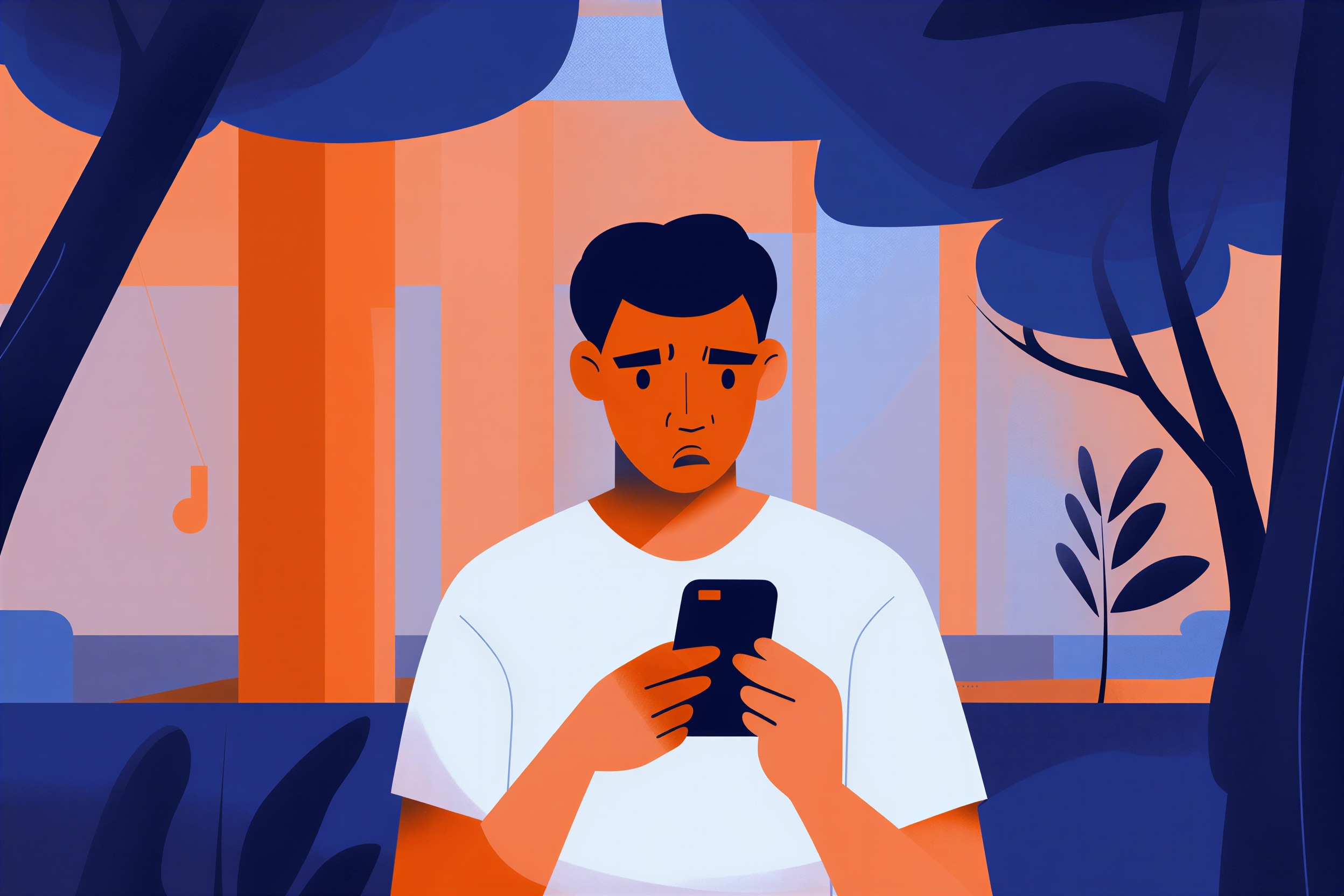
Most people are familiar with the Sunday scaries: that creeping sense of dread that arrives late Sunday afternoon as the weekend fades and the workweek looms. A little anticipatory anxiety before a demanding week is common—and usually situational. But what happens when that feeling doesn’t lift on Monday morning? Or Tuesday. Or ever. When stress becomes constant rather than contextual, it may signal something more than everyday pressure.
As a psychiatrist, I often hear patients say, “Nothing terrible is happening, but I feel on edge all the time,” or “I wake up already exhausted and worried.” These are clues that stress may no longer be tied to a single event or circumstance. Instead, it has become a chronic state.
Situational stress vs. chronic stress
Situational stress has a clear trigger: an exam, a deadline, a conflict, a health scare. Once the situation resolves, the stress usually diminishes. Chronic stress, on the other hand, persists even when there is no immediate threat—or lingers long after the original stressor has passed.
When stress becomes chronic, the nervous system stays in a near-constant state of alert. The body’s stress response—designed for short bursts of danger—was never meant to run all day, every day. Over time, this can affect mood, sleep, concentration, physical health, and relationships.
Common signs that stress has stopped being situational include:
- Persistent anxiety or irritability
- Difficulty sleeping or feeling unrefreshed after sleep
- Trouble concentrating or making decisions
- Muscle tension, headaches, or gastrointestinal symptoms
- Emotional numbness or feeling “burned out”
- A sense of dread that isn’t tied to a specific event
At this point, stress often overlaps with conditions such as generalized anxiety disorder, depression, or trauma-related disorders—even if the person does not identify as “anxious” or “depressed.”
Why willpower isn’t enough
Many people respond to chronic stress by trying harder: more productivity, more control, more self-discipline. Unfortunately, this often backfires. Chronic stress is not a failure of resilience or motivation; it is a neurobiological state. The brain has learned to expect threat, and it behaves accordingly.
That’s why advice like “just relax” or “try not to think about it” rarely helps—and can make people feel worse when it doesn’t work.
Treatment options: therapy and medication
The good news is that chronic stress is treatable. Treatment is not about eliminating all stress from life, but about retraining the mind and nervous system to respond differently.
Cognitive Behavioral Therapy (CBT)
CBT is one of the most well-studied and effective treatments for chronic anxiety and stress-related conditions. It focuses on identifying unhelpful thought patterns (such as catastrophizing or constant “what if” thinking) and changing behaviors that keep the stress cycle going.
CBT also teaches practical skills: how to tolerate uncertainty, how to respond to physical anxiety symptoms, and how to gradually disengage from avoidance or over-control. For many people, CBT provides tools they continue to use long after therapy ends.
Other forms of talk therapy
Insight-oriented or psychodynamic therapy can be helpful when chronic stress is tied to longstanding patterns—such as perfectionism, people-pleasing, or unresolved emotional experiences. These approaches explore why the stress response developed and what function it may have served, creating room for change rather than self-blame.
Medication management
For some individuals, medication can play an important role. Antidepressants such as SSRIs or SNRIs can reduce baseline anxiety and improve sleep, concentration, and emotional regulation. In certain situations, other medications may be considered based on symptoms and medical history.
Medication is not a shortcut or a sign that stress is “all in your head.” It is one tool among many—often most effective when combined with therapy.
When to seek help
If stress feels constant, disproportionate, or is interfering with daily functioning or enjoyment of life, it’s worth seeking professional support. You do not need to wait until things are unbearable. Early treatment can prevent chronic stress from becoming more entrenched.
The Sunday scaries were never meant to last all week. And if they do, it doesn’t mean you’re weak or broken—it means your system is overwhelmed and needs care. With the right combination of therapy, skills, and sometimes medication, it is possible to move from constant vigilance back to a sense of steadiness and ease.